
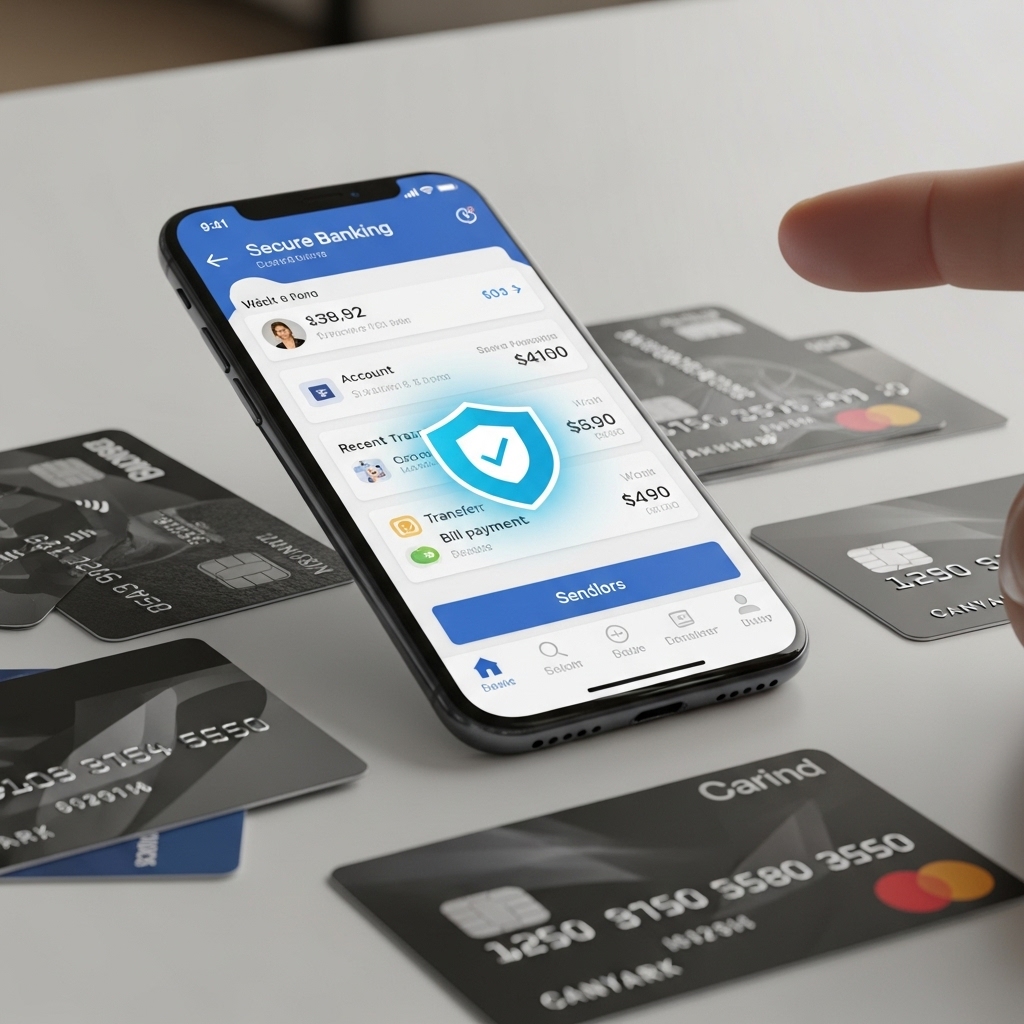
Online banking makes life easier, but it also comes with risks if you’re not careful. Protecting your money and personal information should always be your top priority. Here are essential safety tips every user must know.
1. Use Strong and Unique Passwords
Avoid simple passwords like your name, birthdate, or “123456.” Create strong, unique passwords with a mix of letters, numbers, and symbols. Never reuse the same password for different accounts.
2. Enable Two-Factor Authentication (2FA)
2FA adds an extra layer of protection by requiring a code sent to your phone or email. Even if someone gets your password, they can’t access your account without the second step.
3. Avoid Public Wi-Fi for Banking
Public Wi-Fi is unsafe and easy to hack. Always use your mobile data or a secure home network when accessing your bank account.
4. Keep Your Banking App Updated
Updates often include security improvements. Make sure your app and phone software are always up to date to avoid vulnerabilities.
5. Don’t Click Suspicious Links
Scammers often send fake emails or messages pretending to be your bank. Never click on unknown links. Always visit the bank’s official website or app directly.
6. Monitor Your Account Regularly
Check your transactions often to quickly spot any unusual activity. Report any unauthorized charges immediately to your bank.
7. Log Out After Banking
Always log out from your banking app or website, especially when using a shared or borrowed device. This prevents unauthorized access.
8. Use Alerts and Notifications
Enable SMS or email alerts for transactions. Instant notifications help you catch fraud quickly and keep your money safe.
Final Thoughts
Online banking is safe when you use it smartly. With strong passwords, updated apps, and cautious online behavior, you can protect your account from scams and fraud. Stay alert, stay secure, and enjoy stress-free digital banking.





Leave a Reply